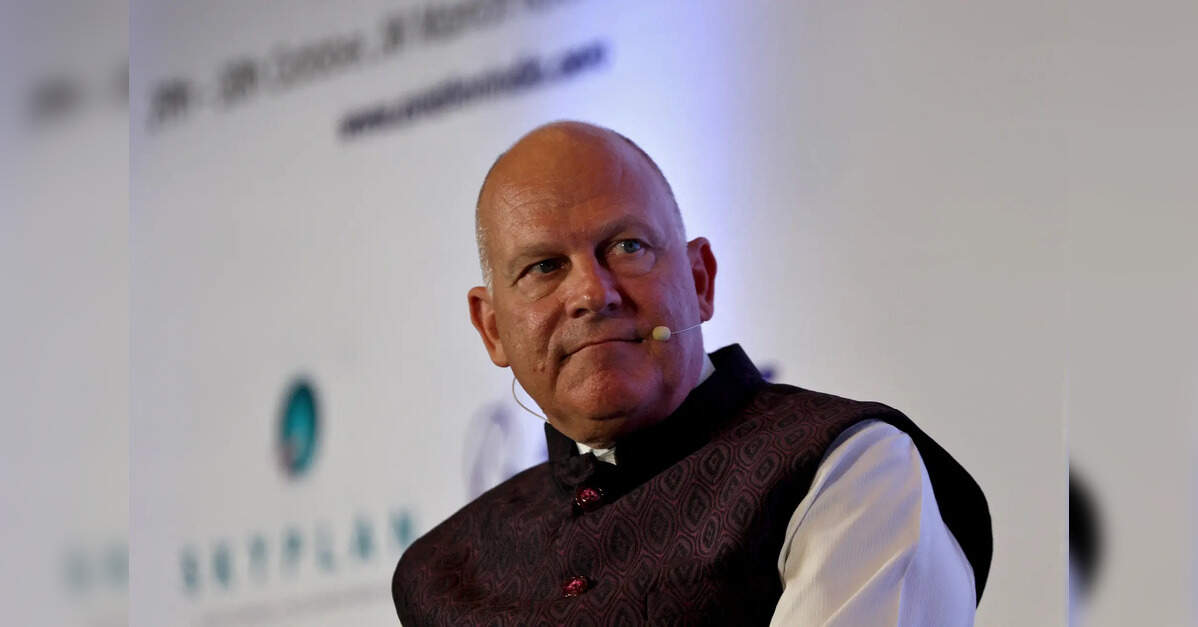
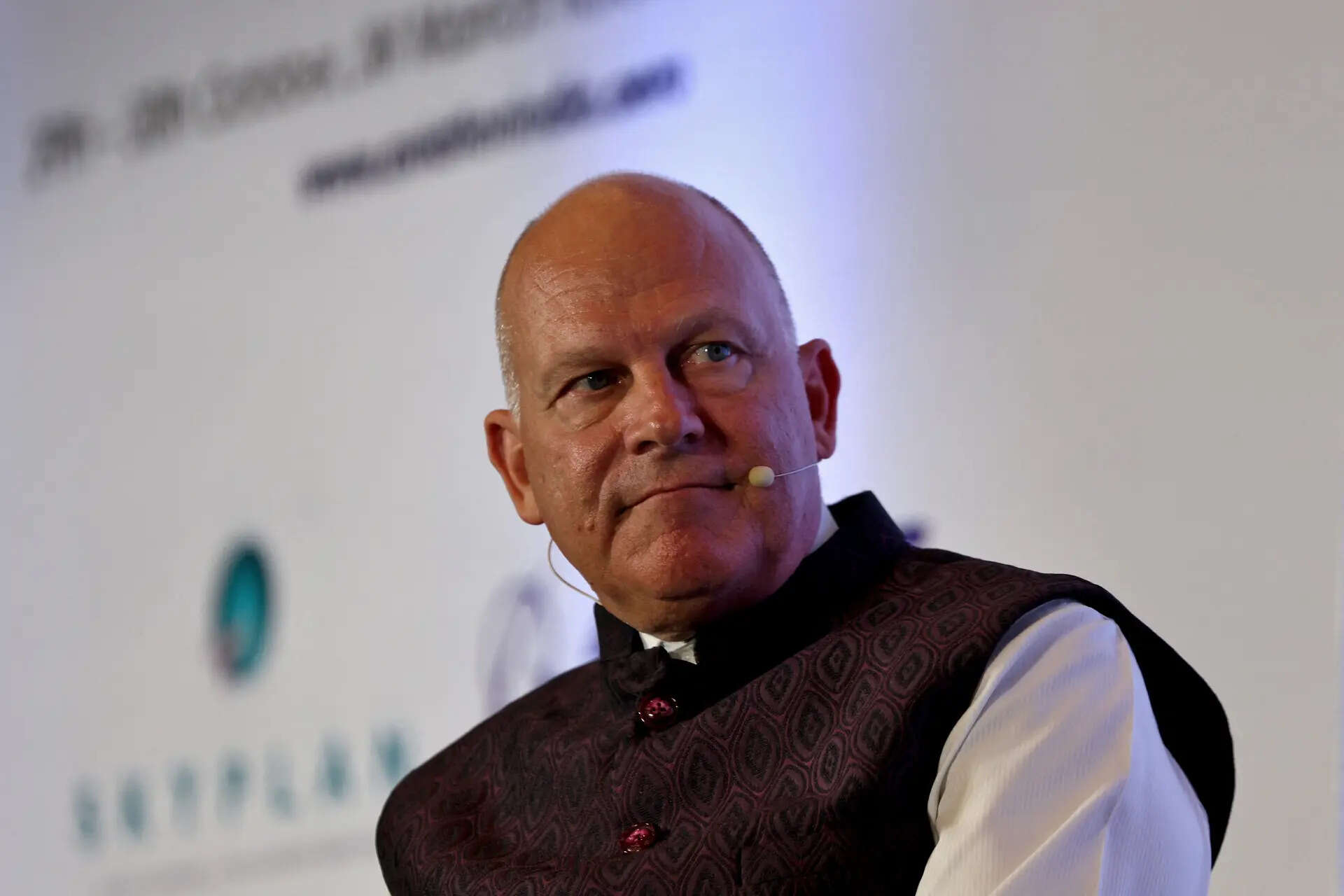
India’s aviation sector is witnessing an unusual phase of leadership churn, with Air India CEO and Managing Director Campbell Wilson stepping down ahead of the completion of his tenure, even as multiple airlines undergo top-level transitions amid rising operational pressures.
Air India confirmed that Wilson has resigned and will continue in the role until a successor is appointed. The airline’s board has constituted a committee to identify the next chief executive.
His exit comes at a critical juncture for the Tata Group-owned carrier, which is still in the midst of a complex transformation following its privatisation in 2022.
Leadership churn across airlines
Wilson’s resignation is part of a broader pattern of leadership changes across India’s aviation sector.Air India’s low-cost arm Air India Express is currently without a CEO after Aloke Singh moved to IndiGo last month, creating a leadership gap within the group’s budget airline operations.
At the same time, IndiGo recently announced a leadership transition following the exit of Pieter Elbers, with Willie Walsh set to take over later this year.
Separately, Akasa Air has also seen multiple senior-level exits in recent months, pointing to wider pressures across the sector as airlines navigate cost volatility, operational challenges and intense competition.
With leadership transitions underway across major carriers, the sector is entering a phase where execution, cost discipline and operational reliability will be critical.
West Asia conflict adds pressure
The leadership churn comes against the backdrop of a deepening crisis in global aviation triggered by the ongoing conflict in West Asia involving Iran, Israel and the United States.The conflict has significantly disrupted global energy markets, with closure of key routes such as the Strait of Hormuz—through which a substantial share of global oil supply passes—leading to sharp spikes in crude and aviation fuel prices.
Jet fuel prices have nearly doubled in recent weeks, putting pressure on airline cost structures globally.
For Indian carriers, the impact is already visible. Airlines have begun revising fares and introducing fuel surcharges to offset rising costs. Air India has implemented a revised fuel surcharge structure across domestic and international routes, with additional charges based on distance and destination.
Across the industry, fuel accounts for up to 40 per cent of airline operating costs, making carriers particularly vulnerable to oil price volatility.
Airlines are also being forced to optimise networks, reduce frequencies on marginal routes and reassess capacity deployment as fuel costs rise and margins tighten. Globally, several carriers have already cut flights and increased fares to manage the impact.
Longer flight paths due to airspace restrictions in the Middle East are further increasing fuel burn and operating costs, adding another layer of complexity for airlines operating international routes.
For Indian travellers, the impact is translating into higher airfares, particularly ahead of the peak summer travel season, with industry executives warning that cost pressures could persist in the coming months.
A turnaround leader exits mid-way
Wilson, a New Zealand-born aviation executive, took over as CEO of Air India in July 2022 on a five-year contract after the Tata Group acquired the airline.
Prior to joining Air India, he spent over two decades at Singapore Airlines and served as the founding CEO of Scoot, the airline’s low-cost subsidiary. His experience spanned both full-service and budget airline models across global markets.
At Air India, he was tasked with leading one of the most complex turnarounds in global aviation—integrating four airlines, rebuilding the brand and executing one of the largest aircraft orders in aviation history.

IndiGo, India’s largest airline, cancelled over 2,000 flights due to a pilot shortage, causing widespread travel chaos and stranding tens of thousands. This operational setback highlights the risks of the market’s duopoly-like structure, with IndiGo and Air India controlling 92 per cent of the share. The crisis has prompted government intervention and raised concerns about systemic risk.
Transformation amid turbulence
During his tenure, Air India undertook large-scale structural changes, including fleet expansion, system upgrades, merger integration and investments in training and maintenance infrastructure.
However, the turnaround has been slower than expected. The airline continues to face financial pressures, supply chain delays affecting aircraft deliveries, and regulatory scrutiny following last year’s Ahmedabad crash.
Air India currently operates a fleet of around 190 aircraft and has placed orders for over 500 planes as part of its long-term expansion strategy.
What lies ahead?
Wilson’s departure comes at a pivotal moment for Air India as it transitions from restructuring to execution.
With leadership changes across Air India, Air India Express and rival carriers, and with external pressures such as fuel costs and geopolitical disruptions intensifying, the Indian aviation sector appears to be entering a reset phase.
For Air India, the appointment of a new CEO will be critical in determining whether the airline can convert its structural transformation into sustained profitability and global competitiveness in an increasingly volatile operating environment.