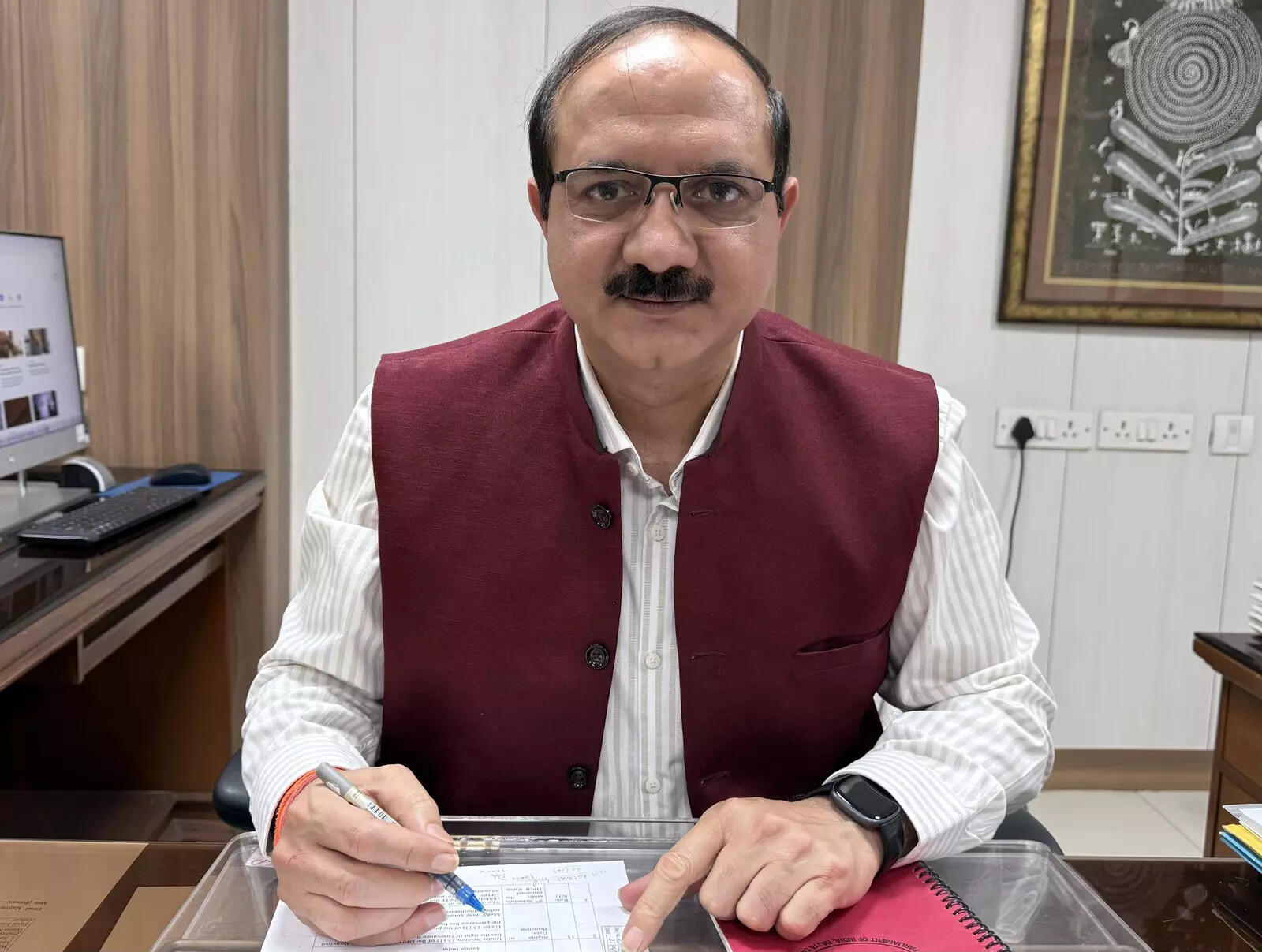
The Centre has appointed Bhuvnesh Kumar, a 1995-batch IAS officer of the Uttar Pradesh cadre, as Secretary in the Ministry of Tourism, marking a key leadership transition at a time when India’s tourism sector is undergoing structural expansion.
Kumar replaces Srivatsa Krishna, who has been appointed Secretary in the Ministry of Minority Affairs, according to an official order issued by the Appointments Committee of the Cabinet (ACC).
The appointment brings in a senior bureaucrat with extensive experience across digital governance, public administration and economic sectors—areas that are increasingly intersecting with tourism policy and destination development.
Digital governance experience
Prior to this role, Kumar served as Chief Executive Officer of the Unique Identification Authority of India (UIDAI), where he oversaw the Aadhaar ecosystem—one of the world’s largest digital identity programmes. He concurrently held the position of Additional Secretary in the Ministry of Electronics and Information Technology (MeitY), and has previously served as Joint Secretary in the same ministry.His experience in digital infrastructure and governance is expected to be relevant as the tourism sector moves towards greater use of data platforms, digital public infrastructure and technology-enabled visitor services.
Administrative and state-level experience
Kumar has held several senior roles in the Uttar Pradesh government, including Principal Secretary in the Department of Animal Husbandry, Dairy Development and Fisheries. His previous assignments also include Secretary Finance, Secretary MSME, Secretary Technical Education and Divisional Commissioner in the Department of Land Revenue.
He has also handled portfolios related to Sports and Youth Welfare, Planning and Vocational Education, reflecting a wide administrative background across economic and social sectors.
An engineering graduate and gold medallist from the National Institute of Technology, Kurukshetra, Kumar is considered an officer with strong experience in policy execution and institutional management.

Suspension of Bhubaneswar-Singapore flights and several domestic routes has plunged Odisha’s tour operators into uncertainty, with bookings and revenue plummeting. The discontinuation of key international and domestic connections forces passengers to travel via other cities, increasing costs and journey times. This trend threatens Odisha’s tourism and business travel prospects.
Timing of the appointment
The leadership change comes at a time when India’s tourism sector is gaining renewed policy attention, with increased focus on infrastructure development, destination diversification, digital platforms and global positioning.The Ministry of Tourism has been working on initiatives related to destination development, skilling, digital tourism infrastructure and international promotion, alongside broader government efforts to position tourism as a driver of employment, regional growth and foreign exchange earnings.
Policy continuity and next phase
Industry observers say Kumar’s appointment signals continuity in administrative leadership while potentially strengthening the ministry’s push towards digital integration and governance-led reforms.
With India aiming to expand both domestic and inbound tourism, the role of the Tourism Secretary is expected to be critical in aligning policy execution with evolving travel trends, including experiential tourism, sustainability and technology-led services.
The transition also comes at a time when inter-ministerial coordination—across civil aviation, culture, infrastructure and digital services—is becoming increasingly important in shaping India’s tourism ecosystem.
As the sector moves into its next phase of growth, the appointment of a senior bureaucrat with cross-sectoral experience is likely to play a key role in driving policy implementation and institutional coordination within the tourism landscape.