
- Mazda confirms a second-generation CX-3 will debut next year.
- It will be built at a Mazda-Ford joint venture factory in Thailand.
- Japan and South-East Asia availability confirmed.
While enthusiasts are patiently waiting for a new Miata, another model that has been around for over a decade will be the first to switch generations. The company’s smallest crossover will be renewed in 2027 when the second-generation CX-3 goes on sale. In an official document related to the recently concluded fiscal year in Japan, Mazda mentions a new entry-level CX model.
The current CX-3 is getting long in the tooth, having been around since late 2014. Mazda discontinued the model in the United States and Europe in 2021 to make room for the CX-30, but the diminutive crossover soldiers on in other markets. It’ll finally move to a second generation, with production planned for Thailand.
Assembly will take place at Auto Alliance Thailand (AAT). In this Mazda-Ford joint-venture factory, more than four million vehicles have been built since the Rayong plant became operational in 1995. The future CX-3 won’t be exclusive to the local market, as Mazda also plans to export the model to Japan and other Southeast Asian countries.

Photo by: Mazda
Details about the next CX-3 remain scarce, but Mazda has confirmed it will offer an electrified version without specifying the type of hybrid powertrain it will use. Another unanswered question concerns the platform, which is already 12 years old in the current model. A rehash of the existing bones wouldn’t come as a complete surprise, considering the 2026 CX-5 isn’t all that new either.
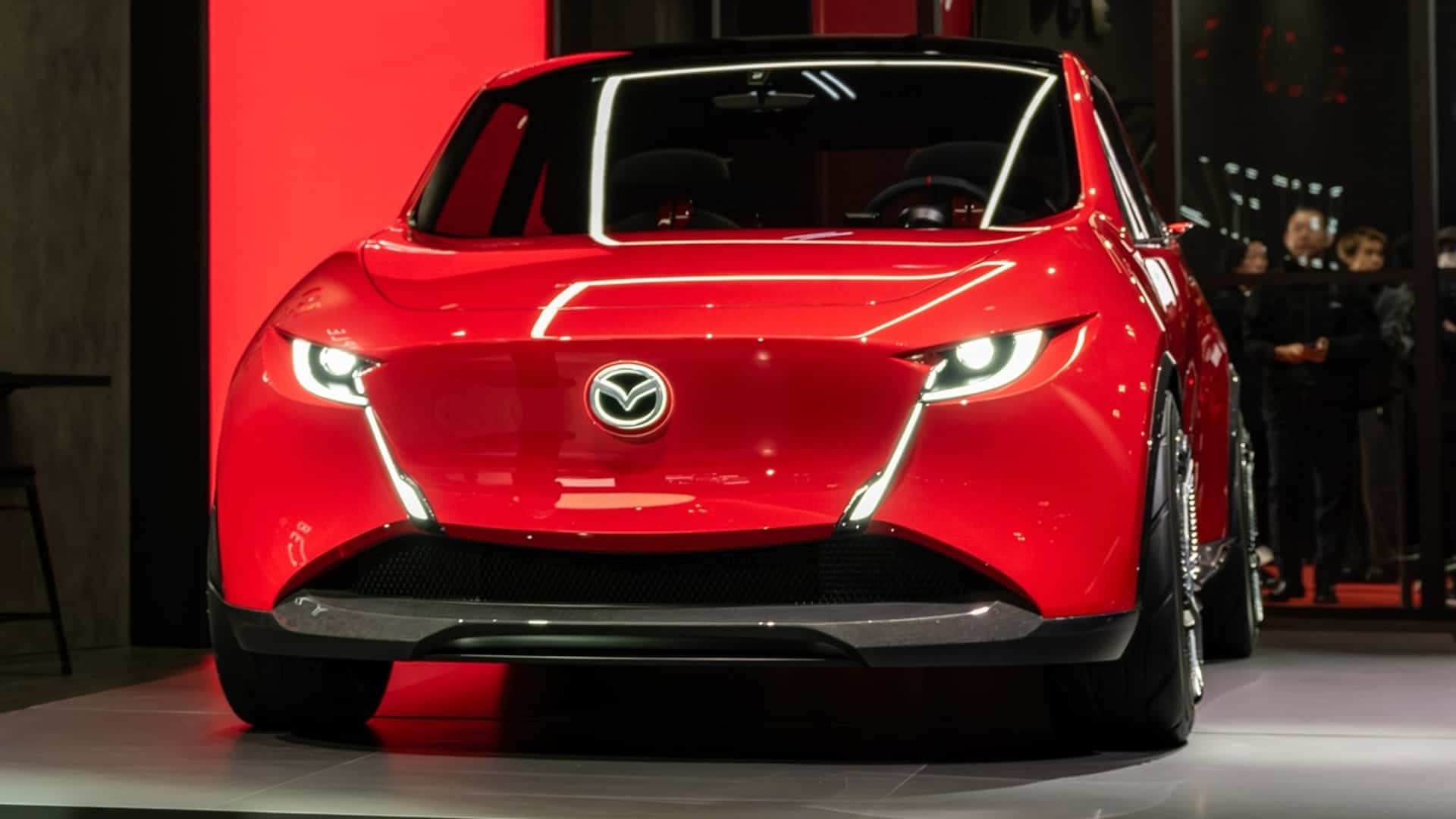
Although no teasers are accompanying the announcement, Mazda has already hinted at what to expect. At last year’s Japan Mobility Show, the Vision X-Compact previewed the company’s future direction for small cars. The concept took the form of a dinky hatchback, presumably offering a glimpse of the next-generation Mazda2, but it’s easy to imagine a crossover counterpart.
With the 2027 CX-3, Mazda aims to “capture the volume segment,” though we don’t expect the model to be sold worldwide. The CX-30 will likely remain the entry point into the company’s SUV lineup in many regions, while the CX-3 focuses primarily on Asian markets.
Mazda is retaining the CX-3 name instead of switching to CX-20, a badge that has circulated in Japanese magazines for some time. Some would argue that CX-20 would make more sense by aligning the small crossover’s name with the brand’s larger SUVs. However, that doesn’t appear to be the plan, unless a separate CX-20 is being developed for other markets.
24
Source: Mazda
Motor1’s Take: While some of us are growing tired of seeing the umpteenth SUV, Mazda clearly believes there’s still room for a new CX-3 alongside the CX-30. From a business standpoint, the strategy makes sense because the upcoming model should be more affordable, targeting buyers unwilling to pay the premium associated with the CX-30.