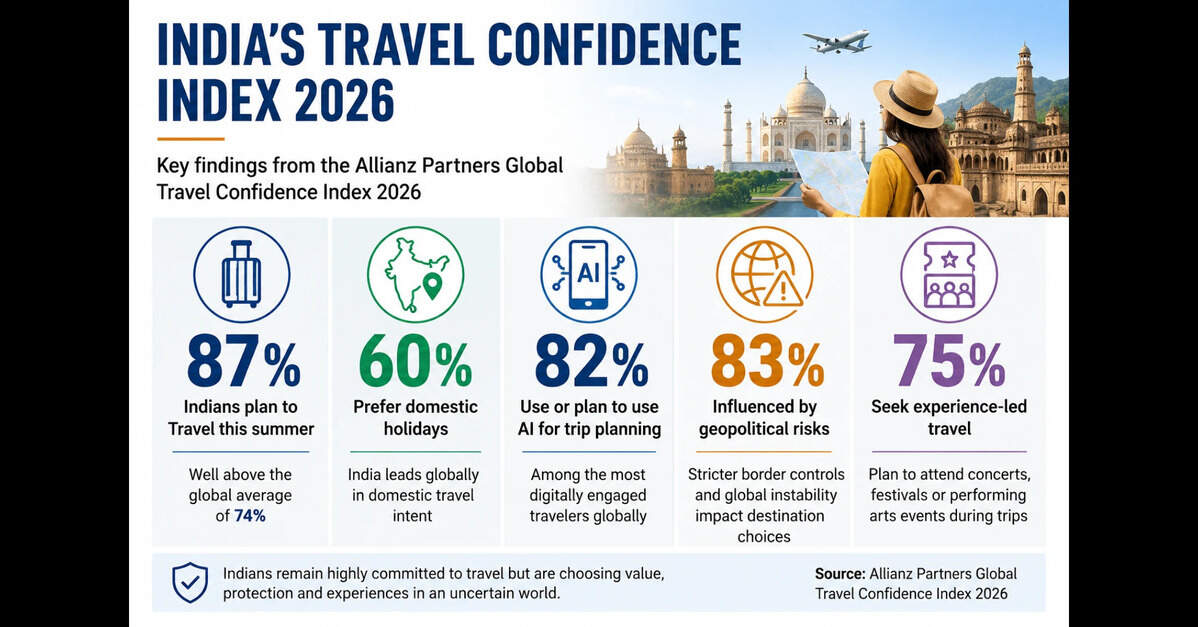
Indian travellers are emerging as some of the most resilient holidaymakers globally, continuing to prioritise vacations despite rising costs, geopolitical instability, climate concerns and financial pressures, according to the first edition of the Allianz Partners Global Travel Confidence Index 2026.
The study, conducted by Ipsos across 10 countries, found that 87 per cent of Indians plan to travel this summer, significantly higher than the global average of 74 per cent. Yet beneath this strong travel appetite lies a more complex reality: travellers are becoming increasingly cautious, value-conscious and risk-aware.
The findings suggest that travel has evolved beyond a discretionary expense and is increasingly being viewed as a lifestyle necessity.
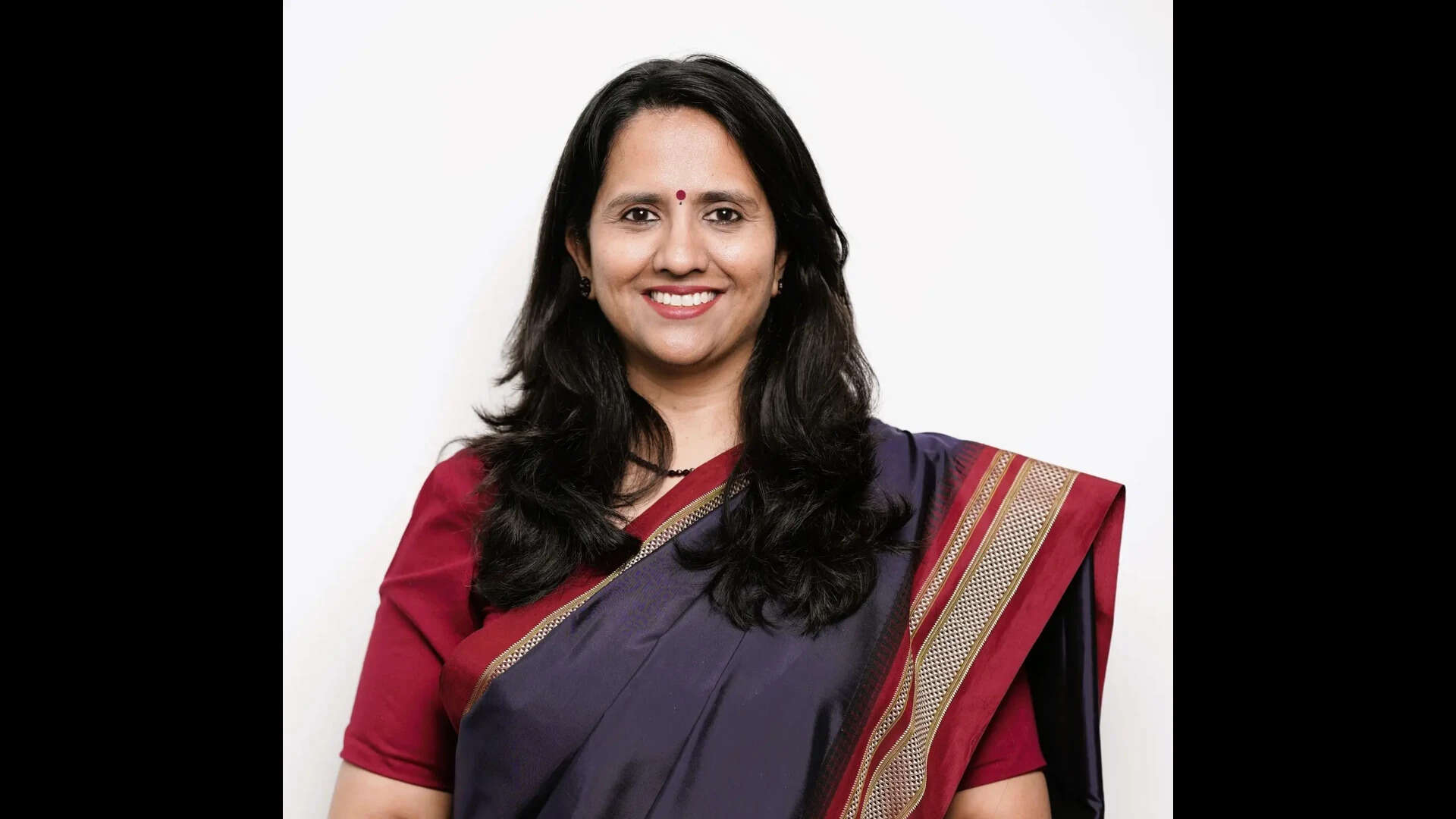
“More than 87 per cent of travellers indicated that taking an annual holiday is important to them. Travellers are not rejecting travel; they are adapting their choices to fit their budgets and priorities,” said Charu Kaushal, Managing Director, Allianz Partners India, during an interaction.
Domestic travel emerges as the big winner
One of the most striking findings of the study is India’s growing preference for domestic travel.Sixty per cent of Indian travellers said they intend to holiday within the country this summer, making India the strongest domestic travel market among all countries surveyed and well ahead of the global average of 42 per cent.
The trend comes at a time when consumers are increasingly looking for value-for-money experiences while navigating rising travel costs and economic uncertainty.
The findings also resonate with recent industry trends that have seen growing demand for destinations closer to home, shorter travel durations and domestic leisure circuits across India.
Travel survives inflation, but spending habits change
While Indians remain eager to travel, the study reveals significant anxiety around affordability.More than 80 per cent of respondents expressed concern about rising travel costs. Geopolitical tensions, safety concerns, flight disruptions, climate-related events and cyber threats also featured prominently among traveller worries.
The findings are particularly relevant given recent global developments, including geopolitical tensions in West Asia, increasing weather-related disruptions and growing concerns around cyber security.
According to the study:
- 85% are concerned about geopolitical instability
- 83% say safety concerns influence destination choices
- 84% consider environmental and climate-related risks when planning travel
- 80% worry about delays and cancellations
- 78% are concerned about cyber risks during travel
These concerns are increasingly influencing not only where people travel but also how they prepare for their journeys.
Experience replaces destination
The survey also reveals a growing shift towards experience-led travel.
Rather than simply visiting destinations, travellers are increasingly building trips around specific activities, events and personal interests. Around 75 per cent of respondents expressed interest in attending concerts, festivals or cultural events while travelling, while a similar number indicated interest in wellness retreats, cruises, sports events and hobby-based experiences.
According to Kaushal, this reflects a broader evolution in consumer expectations.
“Travel today is increasingly about personal fulfilment, wellbeing and creating meaningful experiences. Travellers want trips that align with their interests and lifestyles rather than just ticking destinations off a list,” she noted.
The findings align with broader industry trends that have seen strong growth in experiential travel, wellness tourism, cruise holidays and immersive cultural experiences across India and overseas markets.
AI reshapes travel planning
Technology is emerging as another defining force shaping travel behaviour.
The study found that 82 per cent of Indian travellers either use or plan to use artificial intelligence tools while researching and planning trips. This makes India one of the most digitally engaged travel markets globally.
From itinerary recommendations and destination discovery to budget planning and travel assistance, AI is becoming deeply integrated into the travel planning journey.
Kaushal believes this trend will only accelerate.
“Travellers today expect faster information, more personalised recommendations and seamless digital experiences. AI is helping simplify decision-making while also making travel planning more accessible,” she said.
The growing adoption of AI also reflects the increasing confidence of Indian consumers in using technology to navigate an increasingly complex travel environment.
The changing role of travel insurance
Perhaps one of the most significant shifts highlighted by Kaushal is the changing role of travel insurance itself.
Traditionally viewed as a post-incident reimbursement product, travel insurance is increasingly evolving into a broader travel assistance and risk-management ecosystem.
“As travel becomes more complex, travellers are looking for confidence and support throughout the journey, not just financial compensation after a disruption,” she explained.
Modern travellers increasingly expect real-time assistance, emergency support, medical guidance, digital claims processing and proactive alerts related to travel disruptions.
This shift is being driven by the growing unpredictability of global travel, ranging from extreme weather events and geopolitical tensions to operational disruptions and health-related emergencies.
Work and leisure continue to converge
The study also points to the continued rise of blended travel.
More than 70 per cent of respondents indicated an interest in extending trips to combine work and leisure, reflecting how flexible work arrangements continue to influence travel decisions.
The rise of remote working, digital nomadism and hybrid work cultures has created new opportunities for destinations, hotels and travel providers catering to longer stays and flexible travel patterns.
What it means for the travel industry?
For travel suppliers, destinations, airlines and hospitality companies, the findings underscore the emergence of a more informed and deliberate traveller.
The Indian traveller of 2026 is digitally savvy, value-conscious and increasingly aware of global risks. At the same time, their appetite for travel remains remarkably resilient.
The report suggests that future growth in the sector will depend not only on offering attractive destinations and experiences, but also on providing reassurance, flexibility and seamless digital support throughout the travel journey.
As global uncertainties continue to shape consumer behaviour, the challenge for the travel industry will be adapting to travellers who are not travelling less—but travelling differently.
And in that shift lies one of the most important travel trends of the decade: confidence today is no longer defined by the willingness to travel, but by the ability to travel prepared.