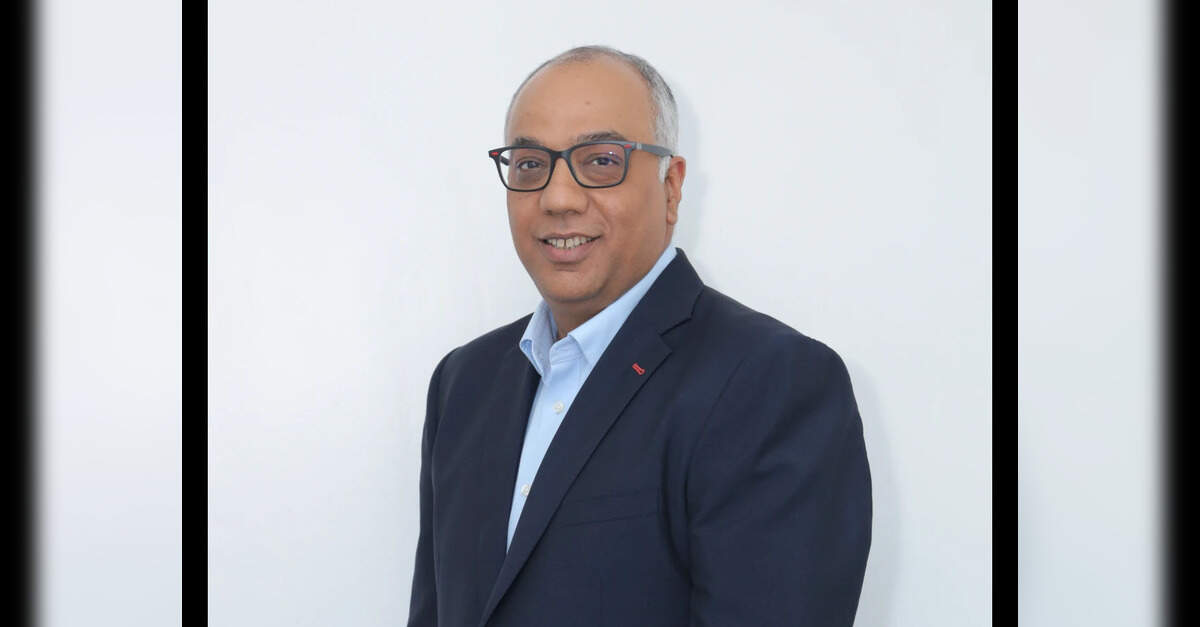
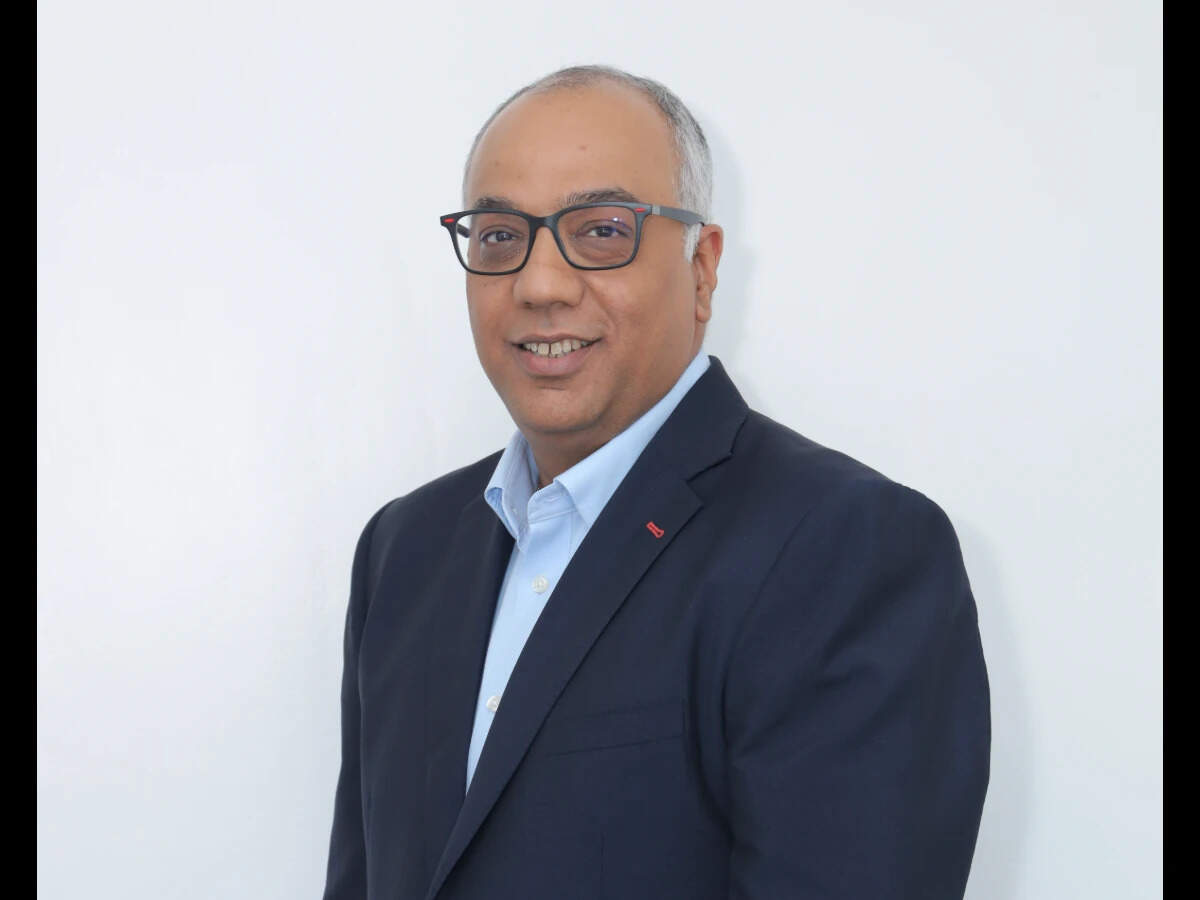
For most hotel companies, growth is measured by the number of properties added to their portfolio. For Sarovar Hotels, however, Chief Executive Officer Jatin Khanna believes the bigger milestone lies elsewhere — expanding into destinations where organised hospitality has yet to establish a meaningful presence.
As India’s hospitality sector rides a fresh investment cycle, fuelled by robust domestic travel, infrastructure development and the rapid rise of Tier II and Tier III markets, Sarovar is doubling down on a strategy that has quietly differentiated it from many of its peers. Rather than chasing consolidation or acquisition-led growth, the homegrown hotel chain is banking on organic expansion into underserved destinations, local experiences and evolving traveller preferences to drive its next phase of growth.
The strategy appears to be paying off. Sarovar today operates 152 hotels across more than 90 destinations with over 11,000 keys, having opened 11 hotels and signed 27 new properties so far this year. Another five hotels are scheduled to open over the next six months as the company pursues a revenue ambition of over INR 2,300 crore by 2026 while maintaining a strong double-digit growth trajectory. Over the longer term, it is targeting a network of 400 operational and under-development hotels across more than 110 destinations by 2029.
Yet, for Khanna, the numbers are merely an outcome of a much larger vision.
“My vision has never been about the number of hotels. It has always been about destinations,” Khanna said in an exclusive interaction with ETTravelWorld.
Growth beyond hotel numbers
That philosophy has shaped Sarovar’s expansion over the last few years, taking the brand into markets that many larger hotel companies have yet to enter.
Today, the company has established a presence across 90-plus destinations and expects to cross the 100-destination milestone over the next year. Unlike many global and domestic chains that have expanded through acquisitions, mergers or brand partnerships, Khanna said Sarovar’s journey has been entirely organic.
“Anybody bigger than either Taj or Sarovar when it comes to serving unique locations? You probably will not find any. These are all organic—no mergers, no acquisitions, nothing has happened. That is what truly differentiates us,” he said.
Betting on India’s untapped destinations
The strategy reflects his conviction that India’s next hospitality boom will be driven not by saturated metropolitan markets but by emerging districts, industrial clusters and smaller cities that are witnessing rapid economic development.
While several hotel companies are expanding into established Tier II destinations such as Ranchi, Patna or Bhubaneswar, Sarovar has chosen to enter markets including Orai, Pathankot, Aligarh, Kota and Dumri—locations where branded hospitality remains limited despite growing demand.
Khanna believes these markets often surprise operators.
He cited Pathankot, where Sarovar’s 55-room hotel achieved nearly 78 per cent occupancy within eight months of opening, significantly exceeding initial expectations. Similarly, the company’s property in Orai has emerged as a strong performer, supported not only by industrial demand from the Defence Corridor and manufacturing activity but also by weddings and social events.
“We keep on looking at newer locations. Sometimes destinations surprise you. That’s where Sarovar started and that’s what our USP continues to be,” he said.
Building a homegrown advantage
Underpinning this expansion is a belief that a homegrown Indian hospitality company possesses an inherent understanding of regional markets, local investors and domestic travellers.
Khanna, who has spent more than three decades in the industry, said Sarovar’s relationships with first-generation hotel owners in smaller cities have become one of its strongest competitive advantages.
“We understand the Indian ethos. We understand owner relationships in a far greater way because we were among the first entrants into many of these smaller markets where investors were entering the hotel business for the first time,” he explained.
That understanding extends beyond property development. Regional cuisine, local employment and cultural integration form part of every Sarovar hotel’s operating philosophy, creating what Khanna describes as authentic experiences rooted in the destination itself.
The company’s confidence is reflected in its operational performance.
According to Khanna, Sarovar delivered double-digit growth last year despite geopolitical disruptions that temporarily affected parts of northern India. For the first half of the current calendar year, the portfolio is expected to record around 16 per cent growth, while like-for-like growth remains above 10 per cent. Overall, the company expects to close the year with portfolio growth of around 15 per cent, driven primarily by stronger average room rates and continued pricing power.
He attributes this to deliberate investments made over the past few years in upgrading hotel design, guest experiences and value proposition rather than relying solely on occupancy gains.
“We built our product portfolio in such a way that guests feel they are getting value for money. Designs and experiences have come together where guests are happy to pay more,” he said.
Spiritual tourism enters its experiential era
One of the biggest contributors to Sarovar’s future growth is expected to come from India’s rapidly evolving spiritual tourism segment.
Unlike traditional pilgrimage travel, Khanna believes travellers today seek immersive experiences that combine faith, food, culture and local exploration.
Currently, nearly 10 per cent of Sarovar’s portfolio is located within spiritual destinations—a share that the company expects to double over the next three years.
The chain was among the earliest branded operators to establish hotels in destinations such as Badrinath, Haridwar, Vrindavan and Shravasti, long before these markets began attracting widespread institutional investment.
Today’s visitors, however, are spending more time at these destinations rather than making quick religious visits.
“Travellers are no longer going only to visit a temple. They are looking for the complete experience around it,” Khanna said.
He pointed to curated food trails in Amritsar, heritage experiences in Rajkot and locally inspired hospitality offerings in destinations such as Haridwar and Vrindavan as examples of how Sarovar is extending visitor engagement and increasing average lengths of stay.
The rise of purpose-led travel
The same experiential shift is transforming other travel segments as well.
Khanna believes the biggest behavioural change among Indian travellers since the pandemic is psychological rather than demographic.
“We as Indians no longer feel guilty about taking breaks,” he observed.
Instead of relying solely on one annual holiday, travellers are increasingly taking multiple short breaks through the year, aided by improved highways and better regional connectivity. Weekend getaways, drivecations and purpose-led travel centred around anniversaries, reunions, milestone birthdays and niche interests are becoming increasingly common.
Corporate travellers, too, have evolved.
Rather than spending evenings inside hotel restaurants, they now actively seek authentic local dining experiences and neighbourhood attractions—a trend that is encouraging hotels to rethink guest engagement beyond their own premises.
Social celebrations have also become a significant business driver.
While destination weddings remain important, Khanna said demand is increasingly being generated by pre-wedding shoots, family celebrations and intimate social gatherings that collectively create a much broader events economy.
“Weddings may have become smaller, but experiences have exploded,” he remarked.
Asset-light, but growth-focused
Operationally, Sarovar continues to favour an asset-light strategy, with management contracts emerging as its preferred growth model.
While the company owns three hotels, Khanna noted that more first-time hotel investors are now choosing management contracts over franchise agreements, allowing them to benefit from professional operations while remaining focused on their core businesses.
“Management contracts are here to stay,” he said, although Sarovar remains open to alternative models such as lease or revenue-sharing arrangements where market conditions warrant.
Internationally, Sarovar is continuing to strengthen its presence in Nepal and East Africa while evaluating opportunities in additional overseas markets. However, Khanna indicated that discussions on new geographies remain confidential for now.
An optimistic outlook for Indian hospitality
Despite periodic geopolitical uncertainties and global economic headwinds, Khanna remains firmly optimistic about the trajectory of India’s hospitality sector.
He pointed to record hotel investment activity, improving occupancy levels and resilient domestic demand as evidence that the industry has become significantly more resilient than in previous decades.
“I don’t really see roadblocks,” he said. “India has been able to absorb shocks remarkably well. Hospitality has demonstrated resilience every single time.”
If there is one priority he hopes to see strengthen over the coming years, it is the revival of inbound tourism.
“Domestic tourism is doing extremely well, but India still needs stronger inbound travel,” he said.
For Khanna, however, the broader outlook remains overwhelmingly positive.
“There is far more working for us today than not working for us,” he concluded—a sentiment that perhaps best captures both Sarovar’s confidence and the optimism currently shaping India’s hospitality growth story.