The Rajasthan Tourism Department has announced the rollout of its “Rajasthan in Summer” campaign, designed to promote off-season travel and reposition the state as a year-round tourism destination. The initiative aims to move beyond Rajasthan’s traditional winter-centric tourism image by highlighting immersive experiences rooted in heritage, culture, wildlife, and local lifestyles.
The campaign will be integrated with existing promotional initiatives such as “Visit My State” and “Holiday in Rajasthan”, with a focus on attracting both domestic and international travellers during the summer season. According to officials, the objective is to showcase a quieter and more authentic side of Rajasthan, offering alternatives to peak-season crowd-driven travel.
Joint Director of Tourism, Daleep Singh Rathore, said the campaign is being implemented under the guidance of Deputy Chief Minister and Tourism Minister Diya Kumari. He added that the initiative is aimed at strengthening Rajasthan’s identity as a destination suitable for all seasons, with a focus on sustainable tourism growth.
As part of the campaign strategy, the department is developing a structured outreach plan centred on digital storytelling, social media engagement, and experiential tourism. Lesser-explored destinations across the state will be promoted through curated thematic narratives designed to appeal to modern travellers seeking immersive and meaningful experiences.
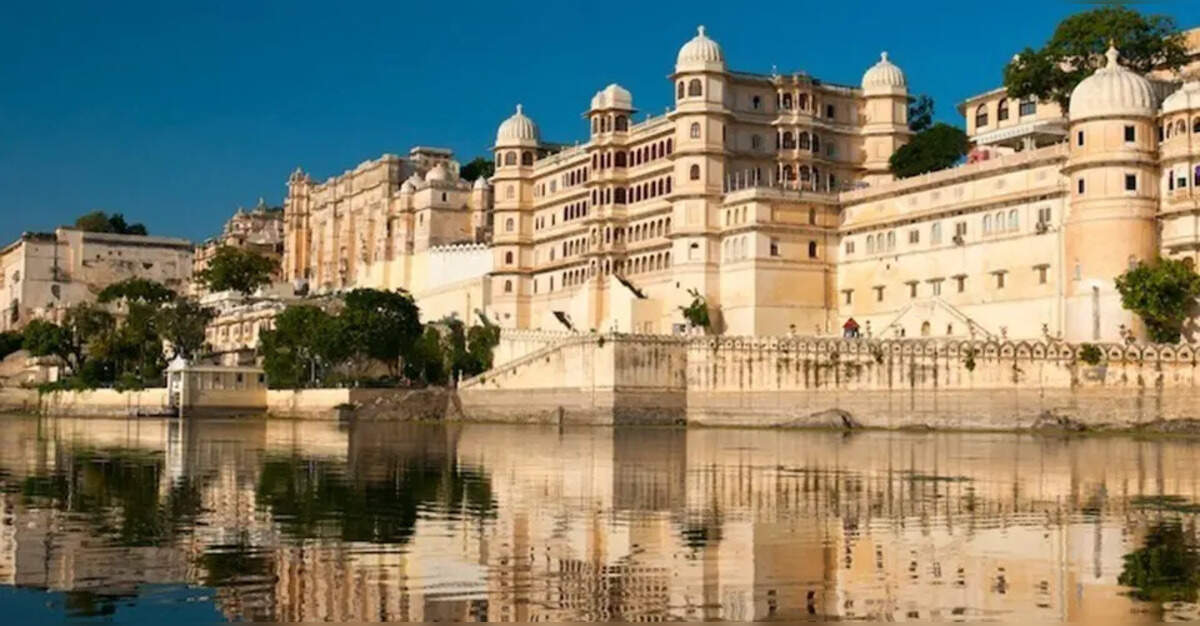
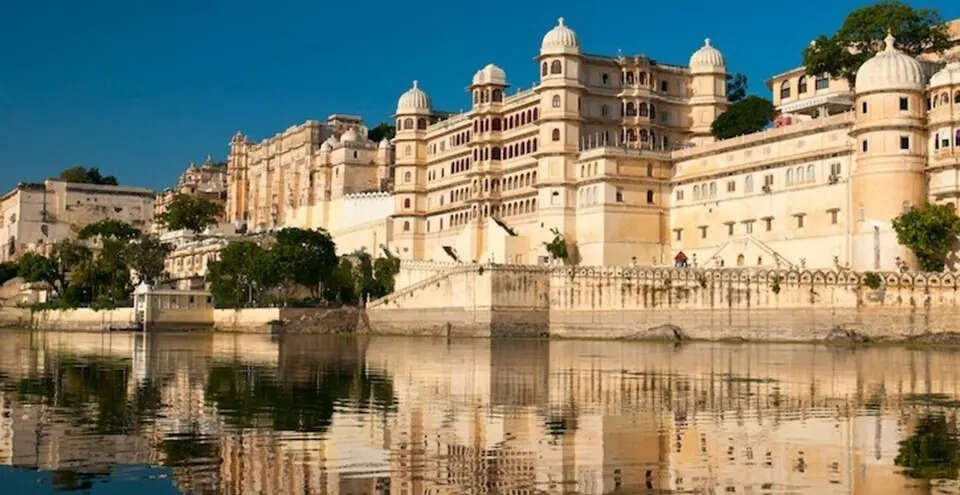
Udaipur will be positioned around lake tourism, sunrise and sunset experiences, and cultural evenings. Bundi will be highlighted as a hidden heritage destination known for its stepwells, historic streets, and architectural significance. Jaipur and Jodhpur will continue to focus on palace stays, heritage hospitality, traditional cuisine, and evening cultural programmes.
The Thar Desert region, including Barmer, will be promoted for desert tourism, solo travel experiences, and rural immersion activities. Wildlife tourism will also form a key component of the campaign, with the department aiming to highlight increased wildlife sightings at Ranthambore National Park during the summer season to sustain visitor interest during the lean period.
Officials said the campaign will prioritise digital-first communication formats, including short-form video content and cinematic travel storytelling, moving away from conventional tourism advertising. The approach is intended to engage younger travellers who prefer experience-led journeys.
The department further noted that the initiative aligns with the government’s broader focus on tourism infrastructure development, heritage conservation, and promotion of lesser-known destinations. The campaign is also expected to involve hospitality stakeholders, heritage hotel operators, travel companies, artisans, and folk performers, thereby supporting local livelihoods and strengthening tourism-linked economic activity across the state.